Costs
Andy Burnham Backs £3,000 Tax-Free Side Hustle Allowance: What It Means for Self-Employed Professionals
The government is tripling the tax-free trading allowance to £3,000 from April 2027. Here's what the change means for self-employed professionals, side hustles and flexible work.
2 November 2026 · 5 min read
The UK government is making a significant change to how small amounts of self-employed income are taxed, and it could be good news for people looking to earn more independently.
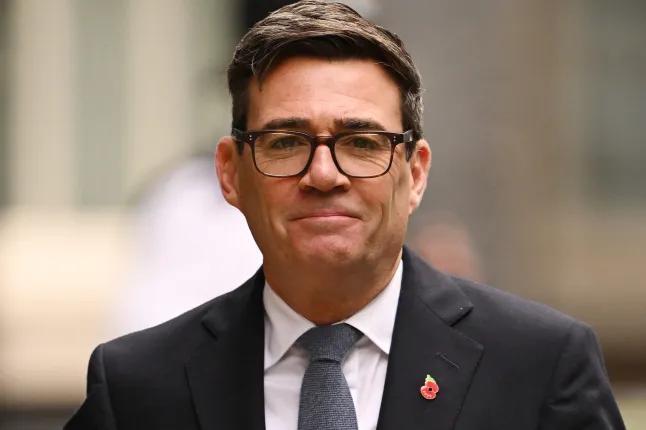
Following the Autumn Budget on 28 October, Prime Minister Andy Burnham has highlighted plans to triple the annual tax-free trading allowance from £1,000 to £3,000.
The change, due to take effect on 6 April 2027, could benefit up to 1.4 million people across the UK.
For hospitality professionals, freelancers and people exploring flexible ways to earn, it's a development worth understanding.
The issue: making extra income shouldn't be unnecessarily complicated
For many people, earning additional income isn't about launching a business overnight. It's about making better use of the skills they already have.
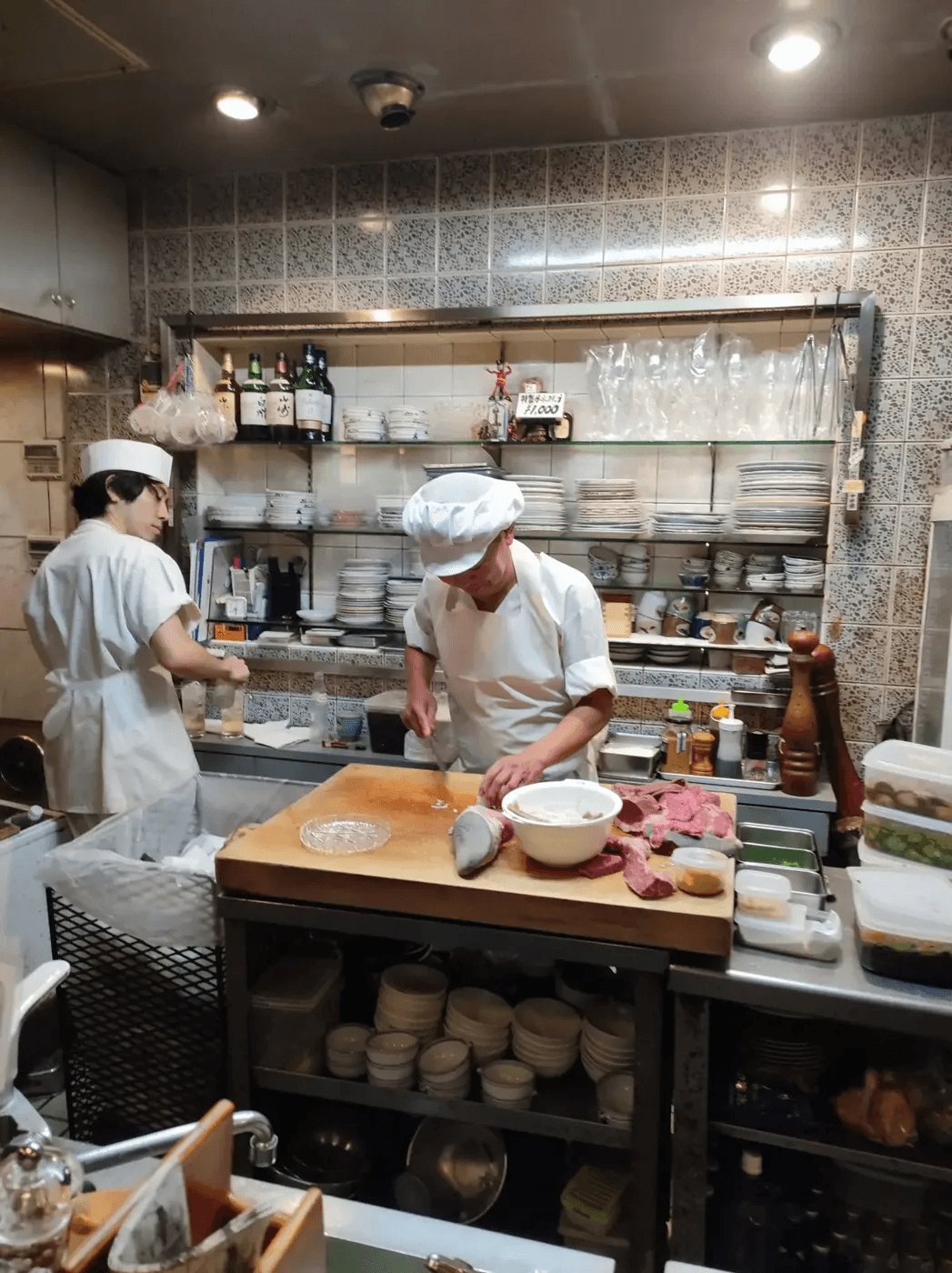
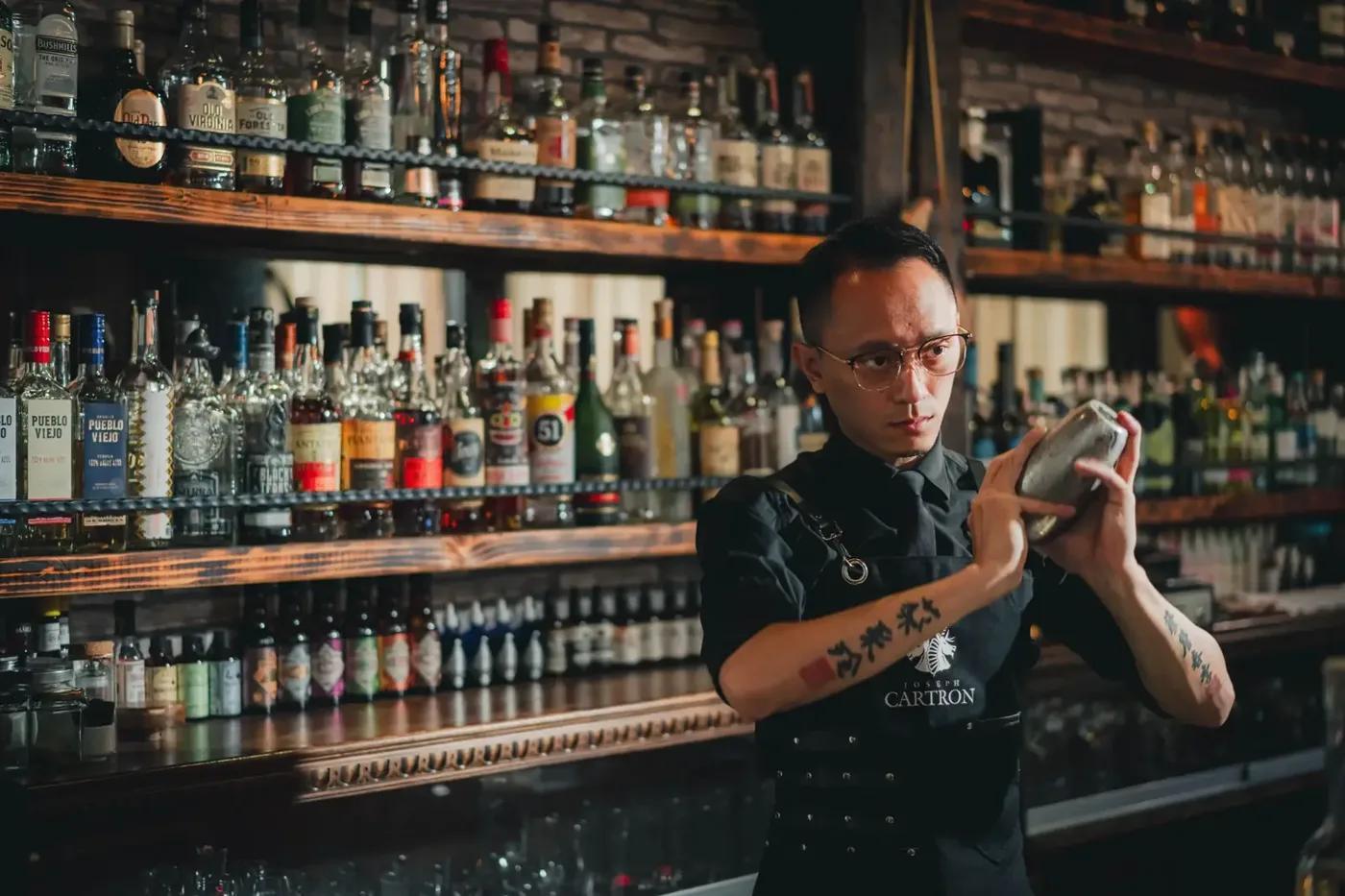
A bartender might have availability around their main commitments. An experienced chef might want to offer services to different venues. A cleaning professional might be looking to build an independent client base.
Until now, the annual trading allowance has remained at £1,000. Once gross trading income exceeds that threshold, individuals generally need to consider Self Assessment requirements, even where their additional earnings are relatively modest.
The government's proposed increase is intended to reduce some of that administrative burden while giving individuals more room to explore independent earning.
What the data says
According to HM Revenue & Customs, the increase could have a meaningful impact on people earning smaller amounts through self-employment or other qualifying trading activities.
The government's estimates include:
£3,000 — the new annual tax-free trading allowance, up from £1,000.
1.4 million — the number of people who could potentially benefit through tax savings or simpler administration.
400,000 — the estimated number of individuals who could see their tax bills fall.
£380 — the average estimated tax reduction among those 400,000 individuals.
100,000 — the estimated number of people who may no longer need to report their trading income to HMRC.
The allowance and the associated Self Assessment reporting threshold are scheduled to increase from the 2027/28 tax year.
Up to 1.4 million people could benefit from a change designed to make small-scale self-employment simpler.
What the government and industry are saying
Prime Minister Andy Burnham reinforced the announcement on 1 November, highlighting people who earn extra money through activities such as reselling, pet sitting and tutoring.
His message was that those putting additional effort into earning independently should be able to keep more of the money they make.
"Your side hustle should be exactly that - yours." — Andy Burnham, Prime Minister
The announcement has also attracted attention from accounting and small-business organisations.
The Association of Chartered Certified Accountants (ACCA) has highlighted how the increase could simplify tax reporting for people with occasional freelance income or smaller business activities.
However, accounting experts have also emphasised that eligibility matters. The allowance is not an additional tax-free personal allowance for everyone, and it cannot be combined with deductions for actual business expenses against the same income.
That distinction is especially important for professionals who earn income from several sources.
What does this mean for hospitality and flexible work?
For people considering genuine self-employment in hospitality, catering, events or cleaning, the higher allowance could make occasional independent work more accessible.
Consider someone with hospitality experience who wants to provide services to businesses alongside other commitments.
From April 2027, if their total qualifying gross trading income for the tax year is £2,500, that income could fall entirely within the new trading allowance, subject to the eligibility rules.
Under the current £1,000 allowance, the position would be different.
For someone already earning more than £3,000 through self-employment, the change may still provide a larger deduction when calculating taxable profits, depending on whether claiming the allowance or deducting actual expenses is more beneficial.
It's not a replacement for understanding tax obligations. But it could remove a barrier for people who want to test the possibilities of earning independently.
Where FLEXSHFT fits in
At FLEXSHFT, we believe professional experience should create opportunities beyond a traditional CV or a single workplace.
Our platform connects independent professionals with businesses across Manchester, helping people discover flexible SHFTs and showcase the skills they have to offer.
Whether you're an experienced bartender, chef, cleaner or events professional, FLEXSHFT gives you somewhere to build your professional presence.
You can create a profile, highlight your experience, showcase your Flexes and introduce yourself through a short video.
Businesses can then discover more about the person behind the profile when choosing professionals for their available SHFTs.
The proposed tax changes don't automatically make someone self-employed or eligible for the allowance. But for professionals whose arrangements genuinely qualify, the combination of greater flexibility and simplified tax rules could make independent earning more appealing.
Your skills have value beyond one workplace. The opportunities to use them should reflect that.
What professionals need to know before April 2027
There are some important details behind the headline.
The £3,000 is an allowance, not a government payment. It applies to eligible trading and miscellaneous income, rather than money being given to individuals.
The threshold covers combined qualifying income. It isn't a separate £3,000 allowance for every platform, service or side hustle.
It's based on gross trading income. This means income before expenses are deducted.
Not every source of earnings qualifies. Ordinary employment income is treated differently, and eligibility depends on the circumstances and applicable HMRC rules.
The higher threshold isn't in force yet. The existing £1,000 trading allowance continues to apply during the 2026/27 tax year. The new measure is due to be introduced through the Finance Bill 2026/27.
Professionals should retain accurate records and check HMRC guidance, particularly where they receive income from multiple activities or already complete a Self Assessment tax return.
The bigger picture: more ways to earn independently
The £3,000 allowance won't transform the finances of every self-employed professional. For people earning substantial amounts through freelance activities, tax, National Insurance and reporting responsibilities remain important considerations.
But for those taking their first steps, it's a meaningful development.
It recognises that earning doesn't always fit neatly into one arrangement, and that people may want to use their experience in different ways.
In Manchester, where hospitality, events and service businesses create opportunities for a wide range of skills, that flexibility matters.
At FLEXSHFT, we're building a platform around that principle.
More flexibility. More control. More opportunities to put your skills to work.